
10 Innovative Ways to Reduce Restaurant Waste in Dallas


In the bustling culinary scene of Dallas, reducing restaurant waste is not just an environmental necessity but also a savvy business strategy. With increasing focus on sustainability, here are ten innovative ways restaurants in Dallas can minimize waste and maximize efficiency.
1. Implement Smart Inventory Management
Effective inventory management can significantly cut down on food waste. By using digital tools and apps, restaurants can monitor stock levels and expiration dates more accurately. This helps in ordering only what is needed, reducing excess and spoilage.
Furthermore, training staff to rotate stock using the FIFO (First In, First Out) method ensures that older ingredients are used before newer ones, maintaining quality and minimizing waste.

2. Partner with Local Farms and Suppliers
Building relationships with local farms and suppliers can lead to more sustainable practices. By sourcing ingredients locally, restaurants can reduce the carbon footprint associated with transportation and ensure fresher produce.
Local partnerships also allow for flexibility in orders, enabling restaurants to purchase seasonal produce, which is often cheaper and less likely to be wasted.
3. Compost Organic Waste
Composting is an excellent way to handle organic waste. By setting up a composting system, restaurants can turn food scraps into valuable fertilizer, which can be donated to local farms or community gardens.
Composting not only reduces landfill waste but also supports the local ecosystem, making it a win-win solution for restaurants and the environment.
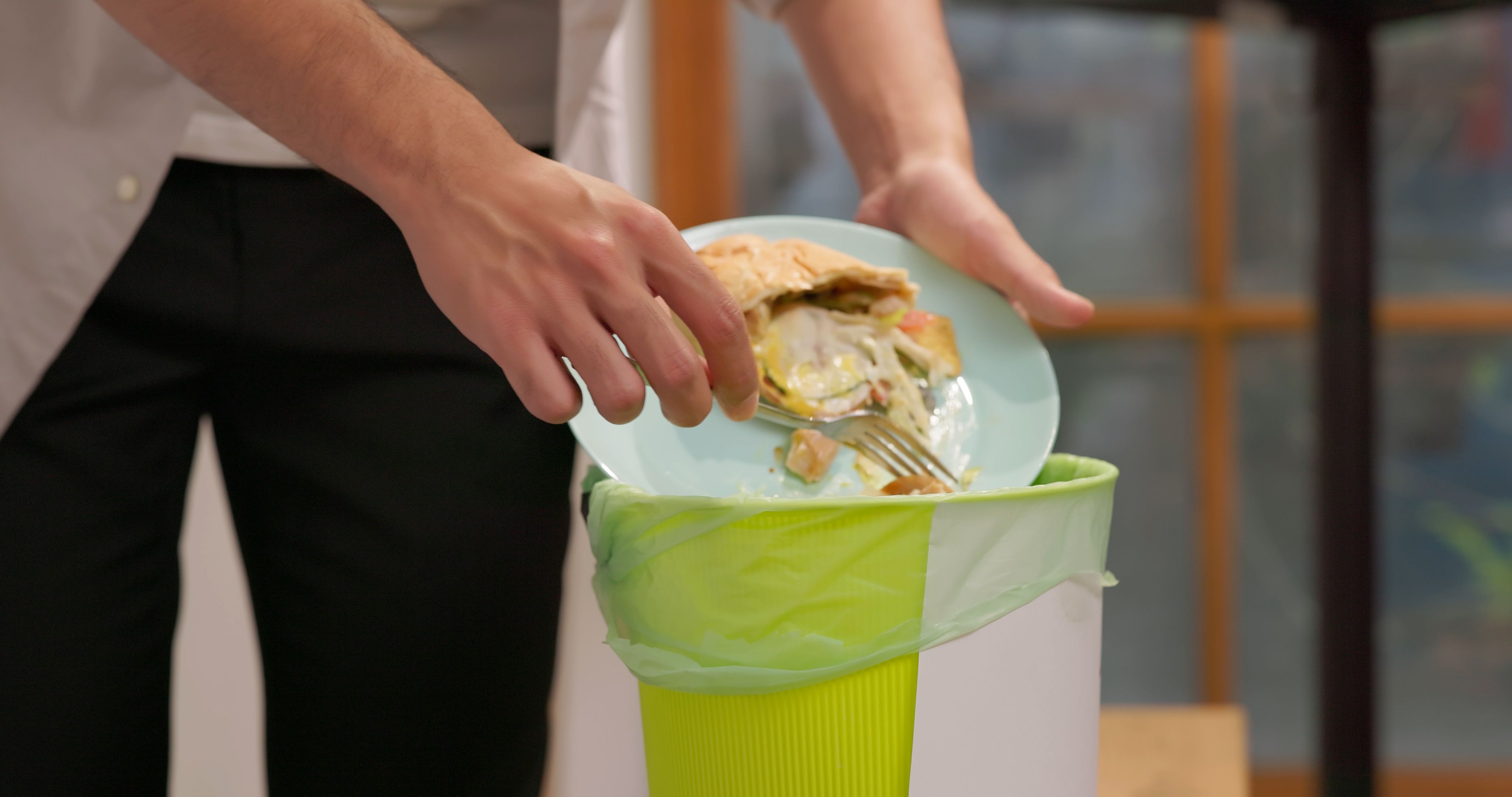
4. Offer Smaller Portion Sizes
Another effective strategy is to offer smaller portion sizes. This can be done by introducing half-sized dishes or allowing customers to choose their portion size, reducing the likelihood of leftovers.
Not only does this minimize waste, but it also caters to diverse customer preferences and dietary needs, enhancing the dining experience.
5. Embrace Food Donation Programs
Many restaurants are turning to food donation programs to reduce waste. By partnering with local charities and food banks, restaurants can donate surplus food to those in need, rather than throwing it away.
These initiatives help combat food insecurity while ensuring that excess food is put to good use, reinforcing a restaurant’s role as a community ally.

6. Use Reusable and Recyclable Packaging
Switching to reusable and recyclable packaging is another impactful way to reduce waste. Restaurants can encourage customers to bring their own containers or provide eco-friendly packaging options for takeout and delivery.
Such practices not only minimize single-use plastics but also align with the growing consumer demand for sustainable packaging solutions.
7. Educate and Engage Staff
Staff education is crucial in waste reduction efforts. Training employees on sustainable practices and engaging them in waste reduction goals fosters a culture of responsibility and innovation.
Regular workshops and incentives can motivate staff to actively participate in minimizing waste, ensuring that sustainability becomes a core component of the restaurant’s operations.

8. Utilize Technology for Waste Tracking
Technology can play a significant role in reducing restaurant waste. By using waste tracking software, restaurants can identify patterns and areas where waste is most prevalent.
This data-driven approach allows for targeted strategies to address specific issues, ultimately leading to more efficient operations and less waste.
By adopting these innovative strategies, restaurants in Dallas can lead the way in sustainability, contributing to a greener city while enhancing their bottom line. Making these changes not only benefits the environment but also resonates with eco-conscious diners, creating a loyal customer base dedicated to supporting responsible businesses.